
Unmasking Sugar: The Hidden Names And Addictive Truth
We are always being told that sugar is bad for us and must be avoided or minimized as much as possible. We hear this message from doctors, health experts, the media, government health campaigns, our friends and family members. However, despite all the evidence and knowledge we now have on sugar and its negative side effects, why do we still keep consuming and using it so much? And is it as bad for our health as research suggests?
Over the years I struggled a lot with this sugar dilemma. Many of those with a sweet tooth can well understand this “bitter sweet” predicament. The reality is sugar or sucrose (a refined crystalline substance derived from sugarcane) is very addictive, and is a main ingredient in the majority of the foods we buy, especially processed foods.
Unfortunately, it seems the more sugar we consume, the more we crave it. Most people have become so used to their sugar “fix” that they are not always aware of their over-consumption and dependency. Sugar is used in almost everything from sweets, hot beverages, juices, cereals, bread, snacks, to processed meat and ready-made meals, and of course desserts.
Types of Sugar
Sadly, not only does consuming too much sugar contribute to tooth decay, but it can also lead to weight gain and increased obesity risk, type 2 diabetes, certain cancers, heart disease, depression, mood disorders, and inflammation.
The types of sugars most adults and children consume are known as “free sugars” (added sugar). These are typically found in soft drinks, cakes, biscuits, chocolates, cereals and flavoured yoghurts for example. Be aware that foods high in “free sugars” provide lots of energy (calories) with very little nutritional value, so these should be avoided if possible, or at least consumed rarely.
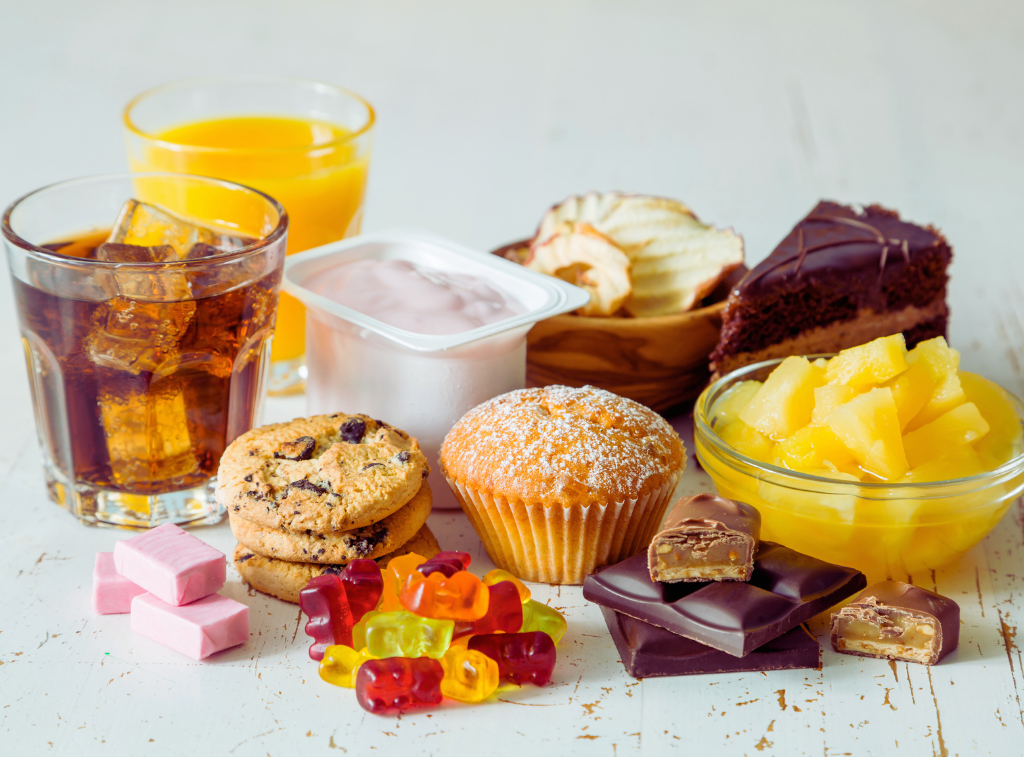
Other sugars that are naturally occuring include honey, maple syrup, agave nectar, unsweetened shop-bought fruit juices and smoothies. Although natural, these still count as free sugars.
Sugars found in fruits, vegetables, starchy carbohydrates (potatoes, pasta and rice) and dairy do not count as free sugars. Although they still contribute to your “total sugar” intake figure, often found on food labels.
Currently, government guidelines for adults state that sugar should not make up more than 5% of our daily calorie intake (for those that consume it).
Why Do We Crave Sugar?
Studies have shown that sugar can cause certain receptors in the brain to behave similarly to that of a drug addict. It can trigger addictive behaviours due to its impact on the brain’s reward system. Dopamine, a neurotransmitter assciated with pleasure and reward is released when we consume sugar or sugary foods. This surge of dopamine in the brain also reinforces the behaviour and makes us more likely to repeat it.
This cycle of craving more sugar and consuming more of it then becomes a hard habit to break. Over time, the brain adjusts by reducing the number of dopamine receptors, and we start to require more sugar to achieve the same pleasurable effect. This is known as the tolerance effect.
When whole foods such as sugarcane and beets are processed and their properties isolated in order to make another product, in this case sugar; they are no longer a whole food, but technically a chemical!
Typically, when sugar is consumed, we instantly feel good and get an energy rush from it. However, this instant lift and new found energy is temporary. What usually follows is a downward spiral of fatigue, cravings, or what is also known as “the sugar blues”. In an attempt to feel better, we then reach for the next sugar high, and then of course the vicious cycle continues. Couple this with other addictive substances like caffeine in soft drinks, energy drinks, or coffee then the habit or addiction becomes even harder to break.
The Psychology of Sugar
For many, our association of sugar making us happy comes from our childhood memories around sugar and sugary foods: birthday cakes and parties, holidays feasts, weddings, desserts, treats, sweets or ice cream as rewards. We also tend to associate the fun or positive experiences in life as being the “sweet” things in life.
Sugar is deeply embedded not just within our lifestyles but also within our psyche and language. Isn’t it interesting how the word “sweet” is also a slang term for “great”? Even words of endearment in most cases directly relate to all things sweet. For example, we call loved ones and those close to us “sugar”, “sweet heart” and “honey”. Research has even indicated that our need for sweet or sugary products may be linked to a need for more love, acceptance and comfort. All of this can make it a lot harder to disassociate from or not be triggered by the subtle reminders of sugar.
Watch Out for Hidden Sugar
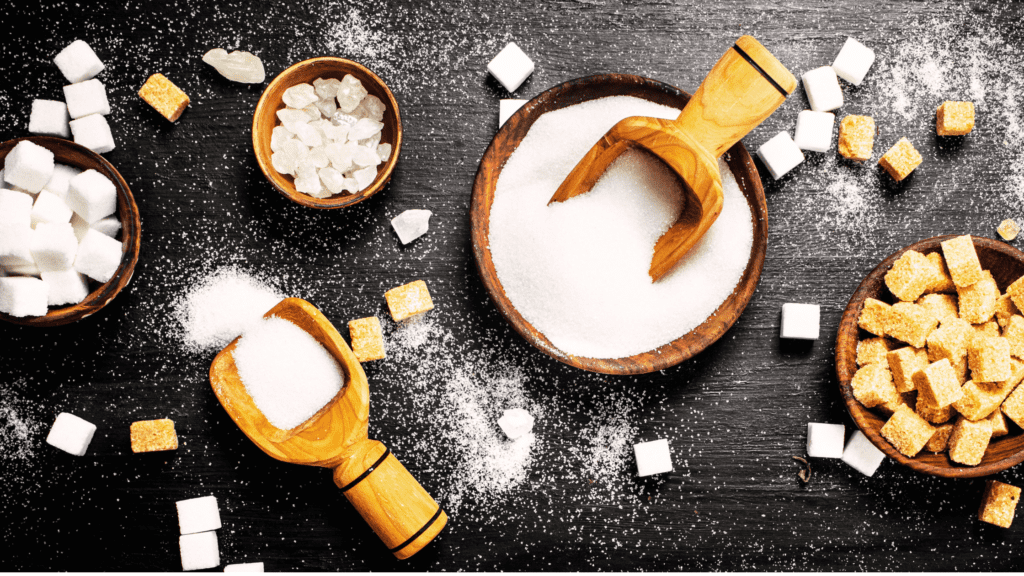
When we typically think of sugar, we think of the crystallized white substance derived from sugarcane (such as sucrose, dextrose and fructose). However, sugar has many names and comes in many forms. There are also syrups like corn syrup, high-fructose corn syrup and maple syrup. And of course there are naturally occurring sugars like those found in fruits and honey. However, not all sugars are created equal and some will have a higher or lower glycemic index number than others. It is important to check or research which ones will work best for you.
A good marker for identifying a sugar is if the name ends in ‘ose’, especially simple sugars. Examples include sucrose, fructose, glucose, dextrose and maltose. At the time of writing this post, there were at least 61 different names for sugar that I’d come across!
Here are some of the most commonly used forms of sugar:
Brown sugar
Honey
Agave syrup or nectar
Date sugar/date paste
High-fructose corn syrup
Sucrose
Beet sugar
Cane sugar
Lactose
Golden syrup
Brown rice syrup
Dextrose
Maltodextrin
Tapioca starch
Corn syrup
Evaporated sugar cane juice
Malt syrup
Turbinado sugar
Barley malt syrup
Fructose
Maltose
Sugarcane juice
Fruit juice concentrate
Maple syrup
Coconut crystals/sugar
Glucose
Molasses
Wet sugar
This is not an exhaustative list as there are many more. But it at least gives you a head start in identfying those sneaky hidden sugars that you might not recognise on your food labels.
Are Fruit Sugars OK?
The amount and types of fruits you consume really depends on your health situation and goals. If you don’t have any health issues or problem with sugar, then you can include plenty of whole fruits in your diet. Fruit is an important food group that provides us with vitamins, minerals, antioxidants and fibre.
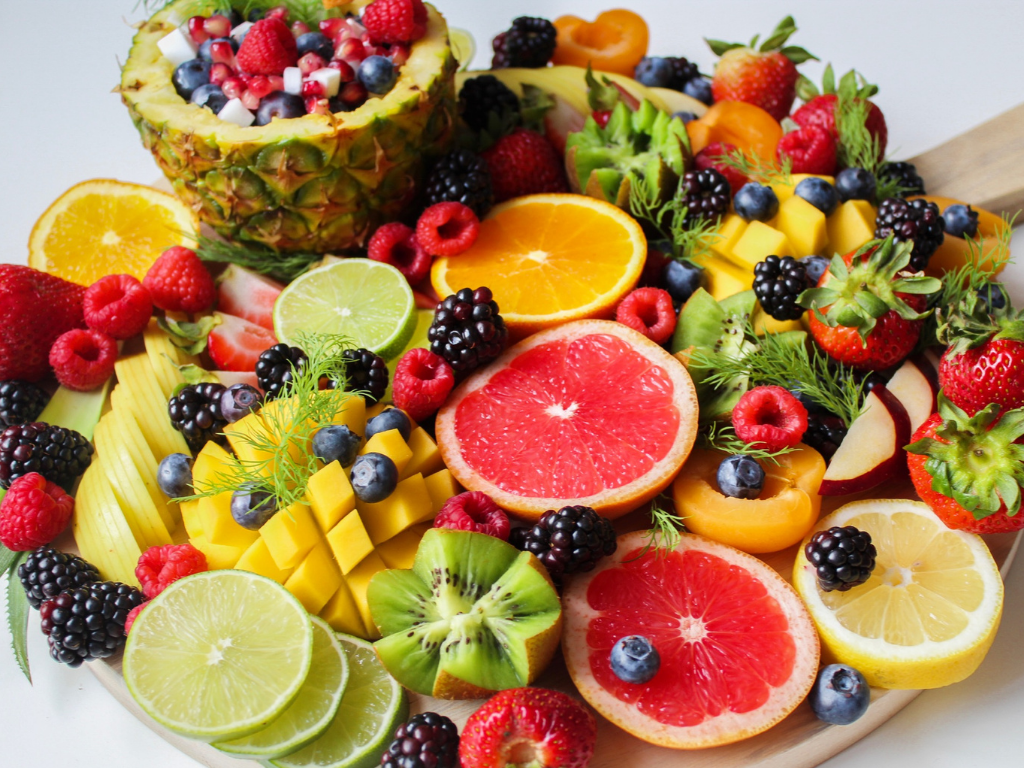
If you are trying to get rid of yeast overgrowth, healing from a chronic disease, are diabetic, want improved moods, or you are trying to lose weight, then limit fruit and avoid the high sugar fruits. I would suggest two servings a day maximum. Opting for fruits such as berries as they will be lower in sugar. Eventually, you can increase or add them back (with moderation) as your body gets back into balance.
There are some fruits that seem to work better for sugar intolerances. These fruits are known as “sour fruits,” as they are lower in sugar. Lemons, limes and grapefruits are examples of these. The fruits that have a higher sugar content include pineapples, mangos and bananas to name a few. These are known as “sweet fruits”.
What About Artificial Sweeteners?
Put simply, artificial sweeteners are just that, artificial! They are a processed chemical product made by maufacturers. Don’t be misled by some of the marketing suggesting artificial sweeteners are made from natural ingredients. Most of them are chemical substances that mimic the taste of sugar. And many usually have a strange after taste. When looking for sugar alternatives, I would not recommend them. The only advantage (in my opinion) is that these zero and low calorie artificial sweeteners can replace sugar and at the same time reduce your carb intake.
There is a lot of controversy regarding this subject and I will not explore those controversies here. However, in my own research and experiences, I have had some negative experiences and feedback about them. Be aware that many articial sweeteners are often mixed with bulking agents such as dextrose or maltodextrin, which is just glucose!
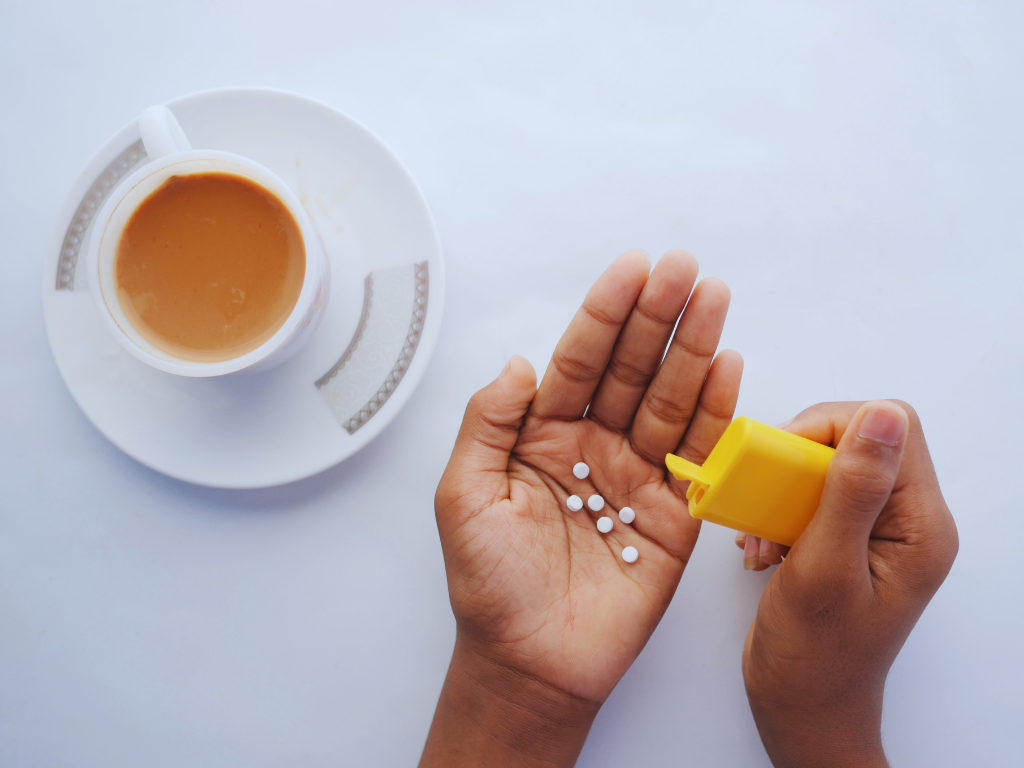
Here are some of the most common artificial sweeteners:
Acesulfame potassium(k)
This is a commonly used sweetener that is 200 times sweeter than sugar. It is often used in drinks, baked goods, dairy products and chewing gum. The main reasons why people are drawn to it is because it does not affect blood sugar levels and does not add calories to food and drinks. Unfortunately, animal studies reported high use with increased cancer risk.
Aspartame
This is perhaps the most popular and well known artificial sweeteners. It is produced from two amino acids and is approximately 180 times sweeter than sugar. Again, its main advantage is that it doesn’t add calories to food and drink (or very few). Sadly, it has been linked to many health concerns, which include digestive issues, allergies, premature births, liver damage and cancer. A review of the evidence made in 2003 concluded that it was safe for consumption.
Sucralose
Sucralose is by far one of the sweetest artificial sweeteners in this list, ranking it 600 times sweeter than sugar. It is often mixed with maltodextrin, making it easier to use in cooking and baking. One of its main benefits is that it does not contribute to tooth decay, hence why you may also find it in your oral health products such as toothpaste, chewing gum and breath mints (labelled “sugar-free”).
Major concerns surrounding the use of sucralose include added carbs from bulking agents and rat studies linking sucralose use to organ damage. Although, it is interesting to note that it has been cleared as safe for humans by the European Food Safety Authority (EFSA).
Saccharin
This artificial sweetener is derived from petroleum and is around 350 times sweeter than sugar. In addition to food products it is also used in cosmetics, toiletries such as toothpaste, vitamins and medication. The downside is that it is not broken down when digested, but absorbed slowly and then rapidly excreted by the kidneys.
Many people still use it because it does not add any calories to food or drinks, and can also be used in cooking and baking. Lastly, it has an after taste that many dislike, and has also been linked to animal studies citing heavy use with bladder cancer. Although, this wasn’t reported to be the case in human studies.
A Natural Sweetener Option
Stevia is a natural sweetener that comes from a plant found mostly in South America. It is a zero-calorie herb used as a replacement for sugar and artificial sweetners. It is often marketed as a “natural sweetener”, however, many brands produce a white granulated version which is often mixed with maltodextrin, which contributes carbohydrates.
Real Stevia is sold as a herbal powder extract (dark green in colour) and is said to be more than 200 times sweeter than sugar. The benefits are that it does not raise blood glucoe levels, it is rapidly excreted (in faeces and urine), and it is heat stable for cooking and baking. The slight disadvantage I had with using it was that it had an after taste which I did not like.
Sweet Endings
The good news is that you don’t have to live without the sweet foods and drinks in your life! Fortunately, there are many alternative choices nowadays. With a few simple changes, you can soon be on your way to refined sugar freedom, or at least reduce it drastically.
Personally, as a sweet treat I love a cold glass of sugarcane juice (when I can find it). Did you know, it has the right balance of hydration and natural sugars. If you squeeze some lemon or lime (to your taste) in a glass of cold sugarcane juice it provides a really tasty, refreshing and energizing drink. I have also liked using sugar substitutes such as dried dates, raisins, coconut sugar and stevia in various ways.
Finally, I want to share with you one of the ways I have been able to create almost an “aversion” to refined sugar or sugary foods. I have found the more I have incorporated green drinks such as green vegetable juices and smoothies into my diet, the less cravings I have for sweet foods. This also goes for increased salads and green vegetables in the diet. This hack has helped me tremendously to over-come my sugar cravings or sweet tooth. There is something about chlorophyll (green pigment in vegetables) which has a way of gradually “cleansing” our palettes and making us more sensitive to excess amounts of highly refined sugar.
As someone who has always been health-conscious, I sincerely appreciate your well-researched and thorough exploration of sugar’s hidden impact on our health and habits.
Your practical tips, such as using green vegetable juices to curb cravings, offer valuable and actionable steps for anyone looking to regain control over their diet. Do you have any other strategies for managing sugar cravings? I look forward to applying some of these strategies and reading more of your informative content.
Thank you for your feedback on this post.
Sure! Regarding other strategies for managing sugar cravings … here are a few more:
1. Check that meals are balanced, as sometimes we are not eating enough protein, fibre and healthy fats. This helps to ensure they are nourishing yet filling. When we are not satiated we often crave sugar.
2. Stay hydrated. Sometimes we confuse thirst with hunger or cravings. Aim for about 2 litres a day.
3. Do not skip meals or eat only carbs. That’s when sugar usually starts calling your name 🙂
I hope these are helpful. Look out for future blog posts related to this topic and other health related content.