

3 High Fibre Foods To Boost Intake
If you are like most people, getting the recommended amount of 30 grams of daily fibre can seem almost impossible. The average adult is typically getting a daily intake of 18-20 grams – even on a good day! Unfortunately this is not enough, which in turn can lead to several health issues including poor gut health, constipation, and increased risk of conditions such as IBS, heart disease, type 2 diabetes and certain cancers.
It is also recommended that our daily fibre should come from food, and as part of a healthy balanced diet. In order to increase our intake we should try to ensure that we are opting for high fibre meals, but also snacks that are rich in fibre such as nuts and a little dried fruit.
The following three fibre rich foods are some of my faves when it comes to boosting daily fibre intake. They are easy to prepare, filling and boast a wealth of nutrients, giving them superfood status. Continue reading to find out more about these foods, how to prepare them and why getting plenty of fibre in our diet is vital for optimum health. I’ve also added a couple of bonus recipes for you to enjoy too!
Chia Seeds

Chia seeds, are a popular favourite in the current health arena, making them readily available in supermarkets, health food stores and online. Although these tiny seeds are having their “moment” in the spotlight, chia seeds are actually an ancient food. The people of the ancient Aztec and Mayan empires revered chia seeds as “vital nourishment”.
Chia seeds are what many have termed a superfood. They are gluten free, high in fibre, and rich in minerals such as manganese, phosphorus and molybdenum. They also contain protein, omega-3 healthy fats and powerful antioxidants such as quercetin, kaempferol and myricetin. These rare antioxidants have been known to have anticancer properties and protective effects for the heart and liver. These heart protective properties can also help to lower blood pressure and cholesterol, especially low density lipoprotein (LDL/bad cholesterol), and reduce inflammation.
Rich in fibre, 1 tablespoon of chia seeds packs 6 grams of fibre! This is a great way to feel more satiated when added to meals or foods such as smoothies, porridge, salads or soups. If you’re struggling with constipation chia seeds have your back, literally! Chia seeds can help to promote regular bowel movements, with the added benefit of helping to draw out toxins from the body by helping to move waste through the body more smoothly.

Often compared with flax seeds, chia seeds rank a little higher than flax seeds in omega-3 fats, especially alpha-linolenic acid (ALA); an essential fatty acid which the body cannot produce by itself. These healthy fats are important because they are anti-inflammatory, protect the skin from excessive sun exposure and are vital for eyesight. Chia’s percentage of omega-3 to omega-6 is approximately 3:1. Which is important because we need more omega-3s than omega-6s in the diet.
It is said that chia seeds help to improve brain function, this is perhaps why many people have make chia seeds a staple part of their breakfast, sprinkling over cereal, porridge, oatmeal, or avocado toast. They are excellent enjoyed on their own as a cereal alternative or “porridge”. I like to add them to my morning smoothies to make them more filling and to help curb cravings.
Bonus Tip:
Unlike flax seeds, you don’t have to grind chia seeds into a powder for better digestion. Just soak 2 tablespoons of chia seeds for about 10 minutes in 6 oz or 180 ml of fluid (water, coconut milk or almond milk are great) to produce a nutritious chia gel that can be used as a base for many recipes. This chia gel is often used as an egg substitute in plant based recipes.
Quinoa
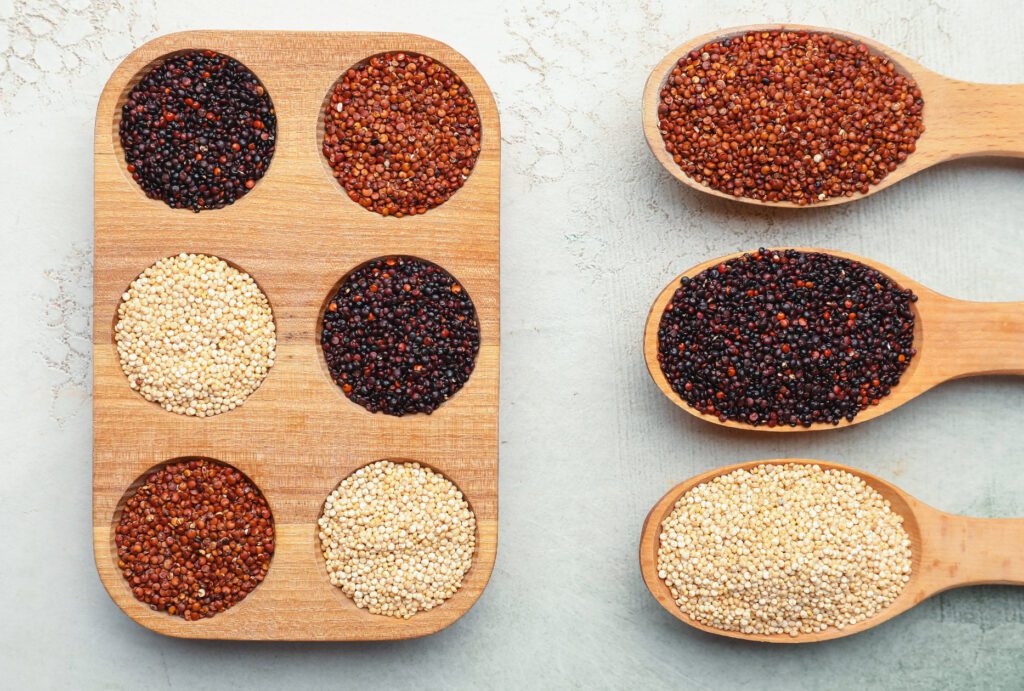
Quinoa (pronounced “keen-wa”), technically a seed, is a great source of many vital vitamins and nutrients such as fibre, protein, minerals and antioxidants. It is also gluten free and very non-allergenic, which means that it is very easy to digest, and people who have restricted diets can usually eat it without any problems.
“A study from Harvard Public School of Health stated that eating 1-2 cups of quinoa daily contributed to overall good immune health.”
Considering quinoa is a healthy wholegrain food, it is a great choice for replacing rice in meals, oats in porridge and wheat in baking (when ground into a flour). 1 cup of cooked quinoa contains 5-6 grams of fibre, close to 20% of the daily recommended intake for adults.
Many vegetarians and vegans have made quinoa a staple in their diets because it is considered a complete protein; as it contains 9 vital amino acids needed to make protein. For vegans and vegetarians looking for alternatives to tofu and soy, it is also ideal.
It is a complex carbohydrate rich in fibre that slowly releases its nutrients into the body. Therefore, you do not get a rush or spike in blood sugars followed by a lull. Adding more quinoa into your diet will help to regulate blood sugar levels, whilst keeping your hunger and cravings in check. This is especially great for diabetics and people with kidney problems.
A very versatile food, quinoa is very easy to prepare – you can steam it or boil it like rice, sprout it to include in salads, or grind it into a flour – it’s up to you! The fact that it can be included in both sweet and savoury dishes is a win for me. For example add it to salads, poke bowls and Buddha bowls to make them more filling. Or make a delicious breakfast porridge with cooked quinoa, coconut milk, some nuts or seeds and a little honey to taste. You’re welcome!

Quinoa is easy to prepare and can be ready to eat in as little as 15–20 minutes. It is usually white, red or black. All varieties are just as nutritious, although the darker varieties will contain more fibre. To cook it:
- Rinse 1 cup (170 grams) quinoa thoroughly using a fine mesh strainer.
- Put 2 cups (240 ml) water in a pot and turn the heat to high.
- Add rinsed quinoa with a pinch of salt (optional)
- Boil 15–20 minutes, until fluffy but not overcooked or soggy.
- Enjoy.
When cooked, it should have a mild, nutty flavour and some texture when you chew it. You can easily find many different recipes for quinoa online, including breakfast bowls, salad lunches, baking delights and dinners.
Lentils

Lastly, we have lentils, which are small members of the pulse and legume group and come in various colours. I tend to prefer the green variety because they tend to be the highest in fibre and protein content.
1 cup of cooked green lentils packs a whopping 15 grams of fibre! Lentils are also very rich in vegetable protein and iron, to the point that they exceed meat in both nutrients when compared gram for gram. They are also a good source of the b vitamins, especially B1, B5, B6, and B9 folate. We can’t leave out their minerals, which include selenium, zinc, manganese and phosphorus.
Lentils contain complex carbohydrates, and like quinoa supply the body with slow-release energy, avoiding spiking of blood glucose levels. This is extremely helpful in the management of blood sugars, and the control and prevention of type 2 diabetes.
The fibre from lentils is both soluble and insoluble; soluble fibre helps to lower blood cholesterol levels and may help to prevent heart and circulatory disease. Whilst insoluble fibre promotes regular bowel movements and may protect against diseases of the digestive system, including cancer.
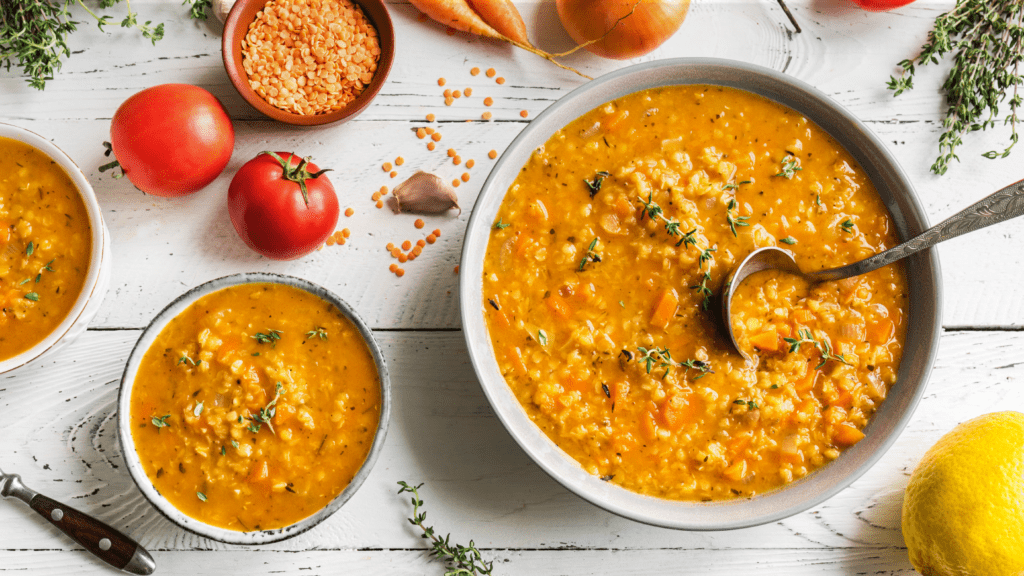
This versatile plant based whole food is easy to cook, and can even be enjoyed raw when sprouted, or cooked in stews, soups, or my personal favourite – curries! I often love to batch cook a ‘ton’ of lentils as part of my meal prep. I simply boil them with just a pinch of salt, let them cool and have some in the fridge to add to salads when I want something quick and not too heavy or calorie dense. This can be a great hack for weight management and reducing calories, whilst still meeting many of our nutritional requirements. Lentils will also keep well in the freezer, which is perfect for quick meal prepping later on.
I hope this has inspires you to try including 1 or all 3 of these fibre rich foods in your weekly meals. If you are new to these foods, you could start by adding small amounts first and see how your body responds, then increase them as you get used to the tastes and textures. Overall, they will definitely help to give your daily fibre intake a boost with the numerous added health benefits discussed.